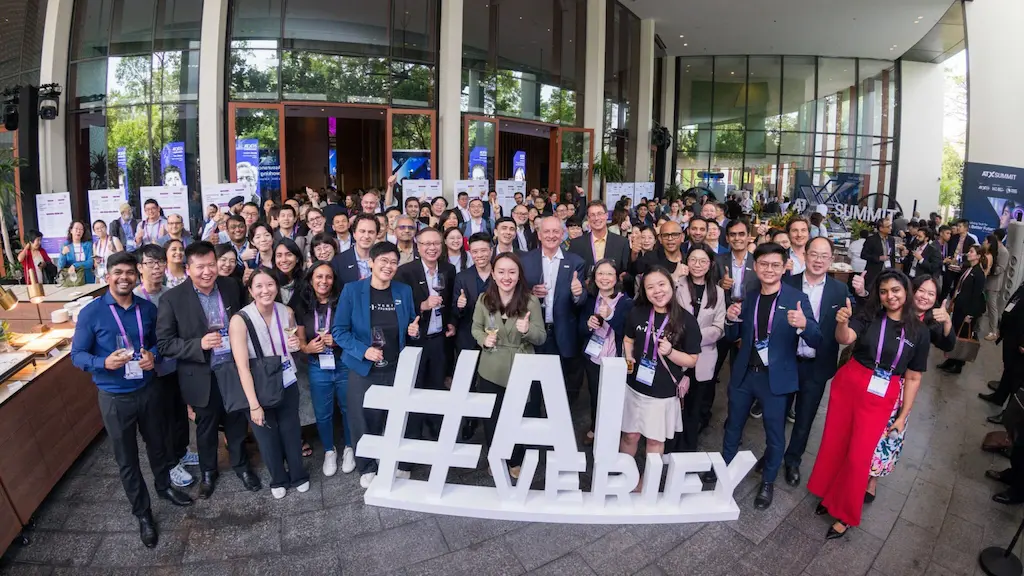
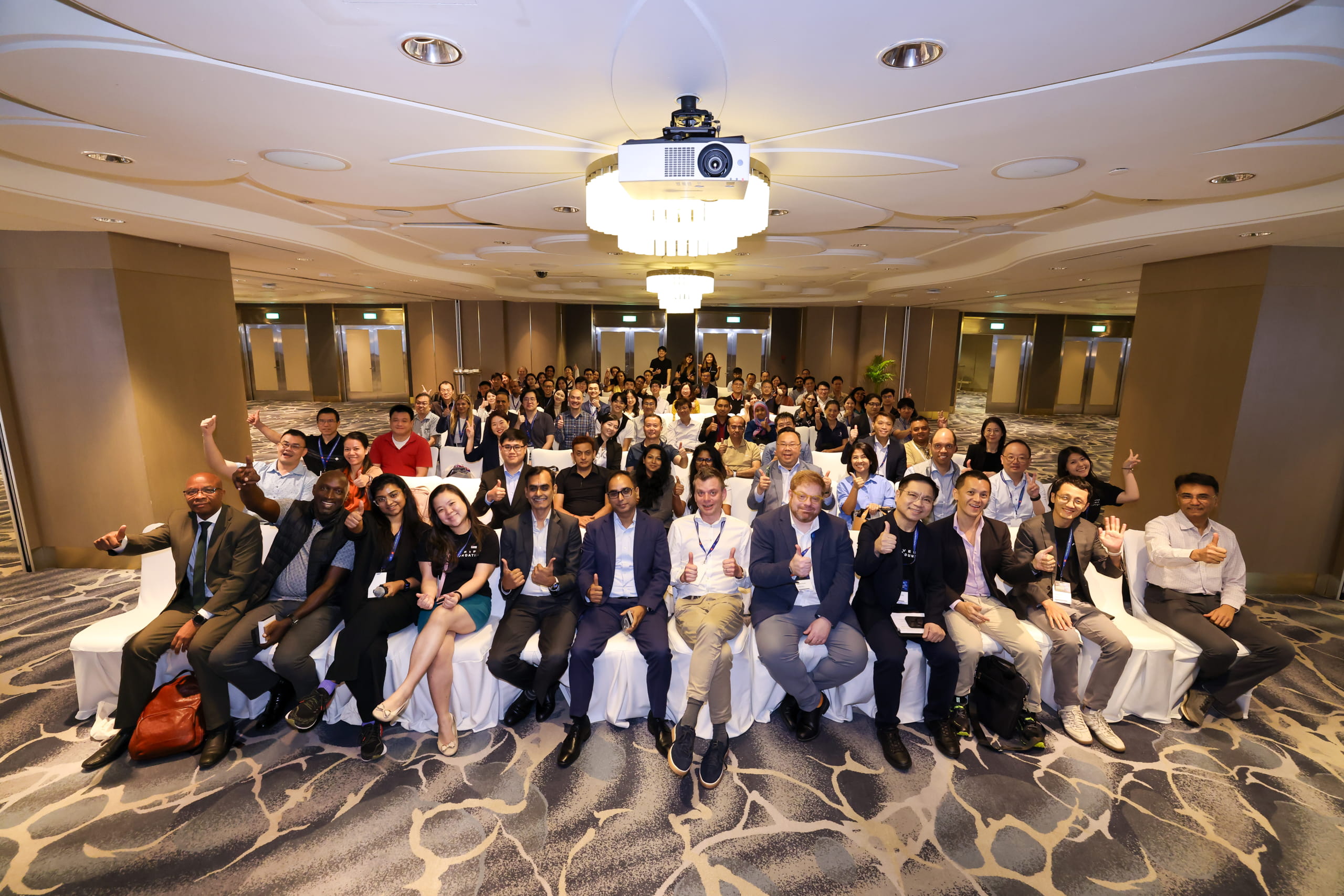
On 21 April 2026, more than 250 global standard-setters, policymakers, and industry practitioners gathered for the AI Assurance Exchange: Standards in Action to examine the evolving landscape of AI testing, assurance, and trustworthiness—and how these standards can be applied in real-world contexts.
This event was hosted as part of the International Organization for Standardization / International Electrotechnical Commission Joint Technical Committee 1, Subcommittee (ISO/IEC JTC 1/SC 42) Plenary Week, the premier global gathering of international AI standards experts.
Global standards and the future of AI assurance
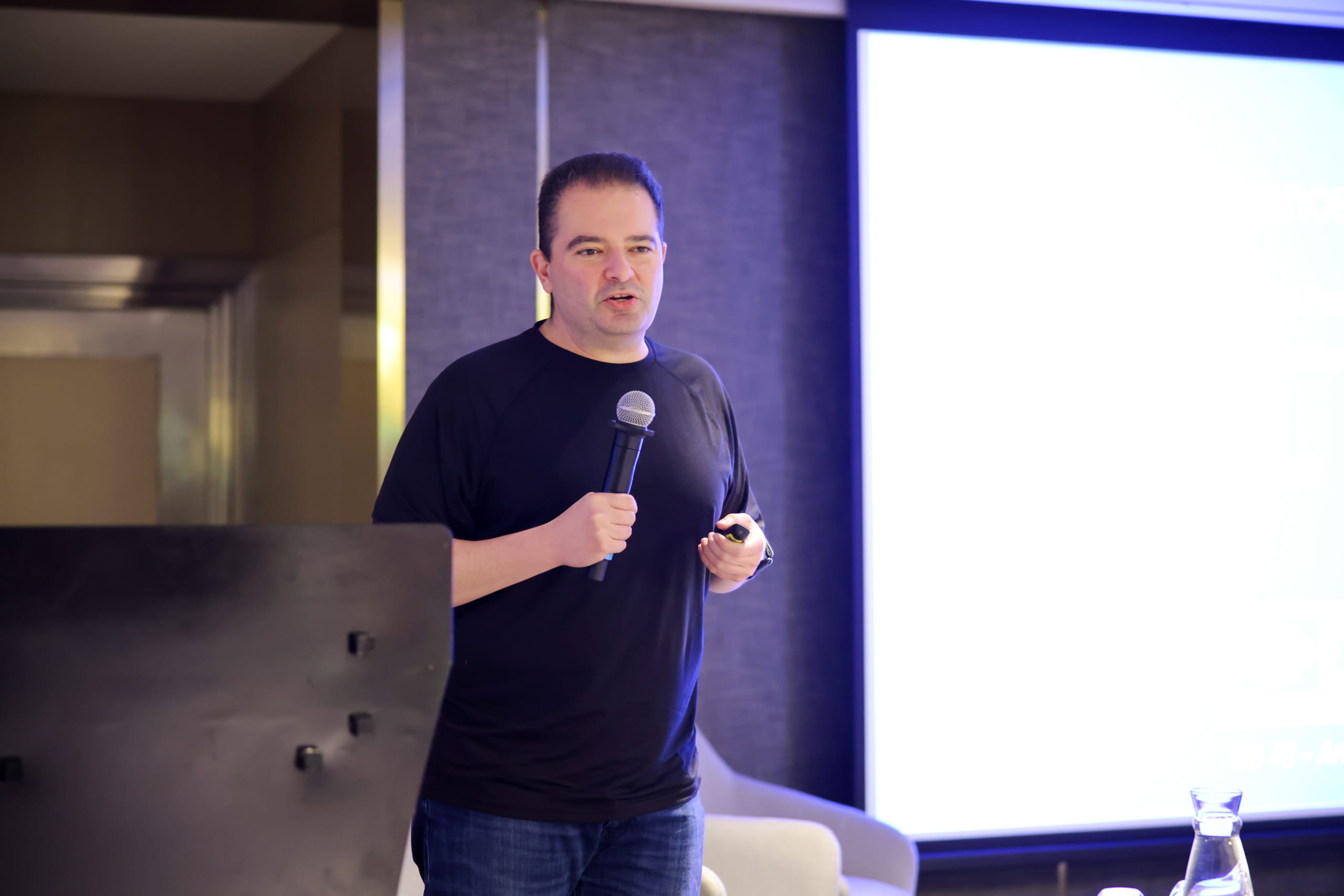
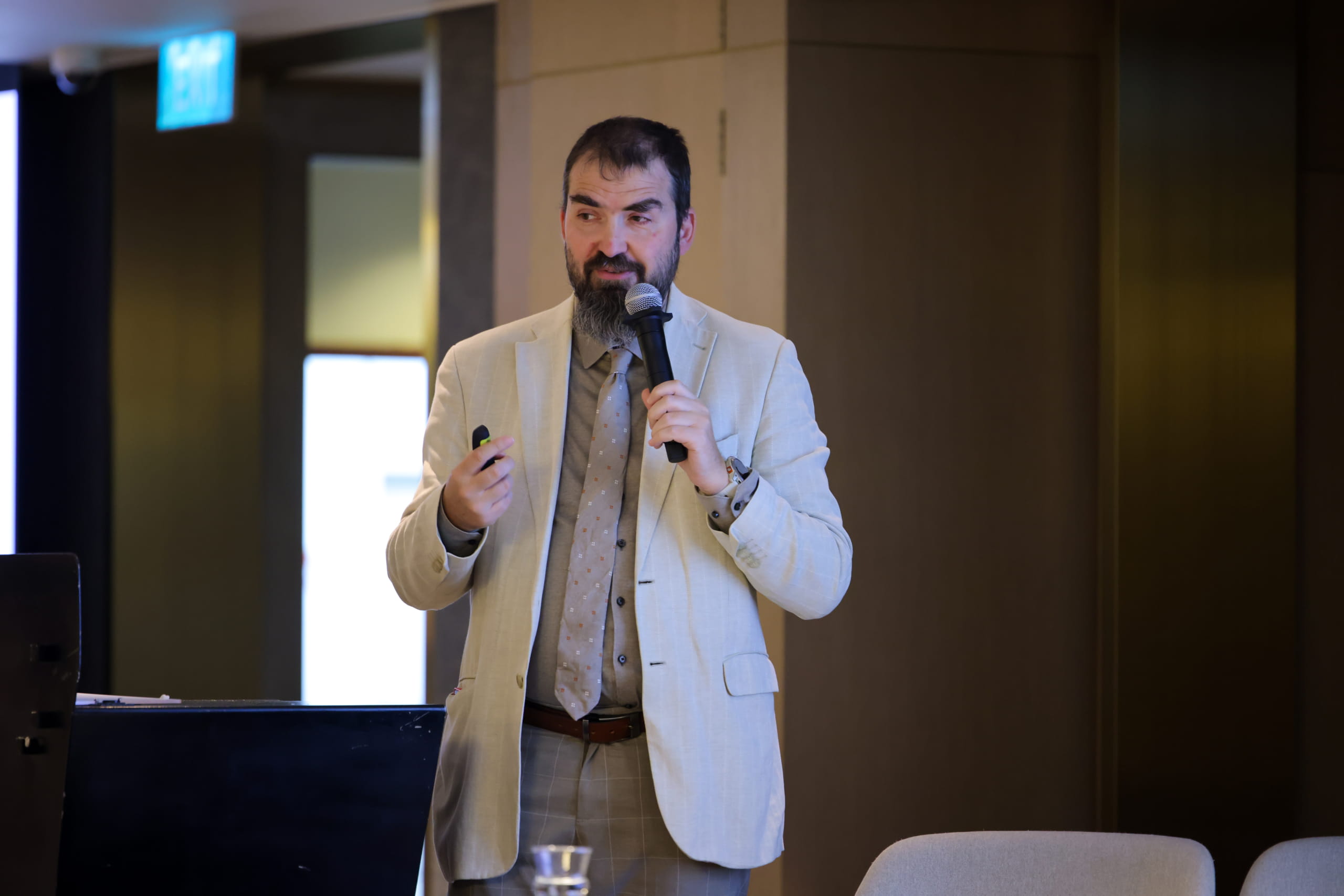
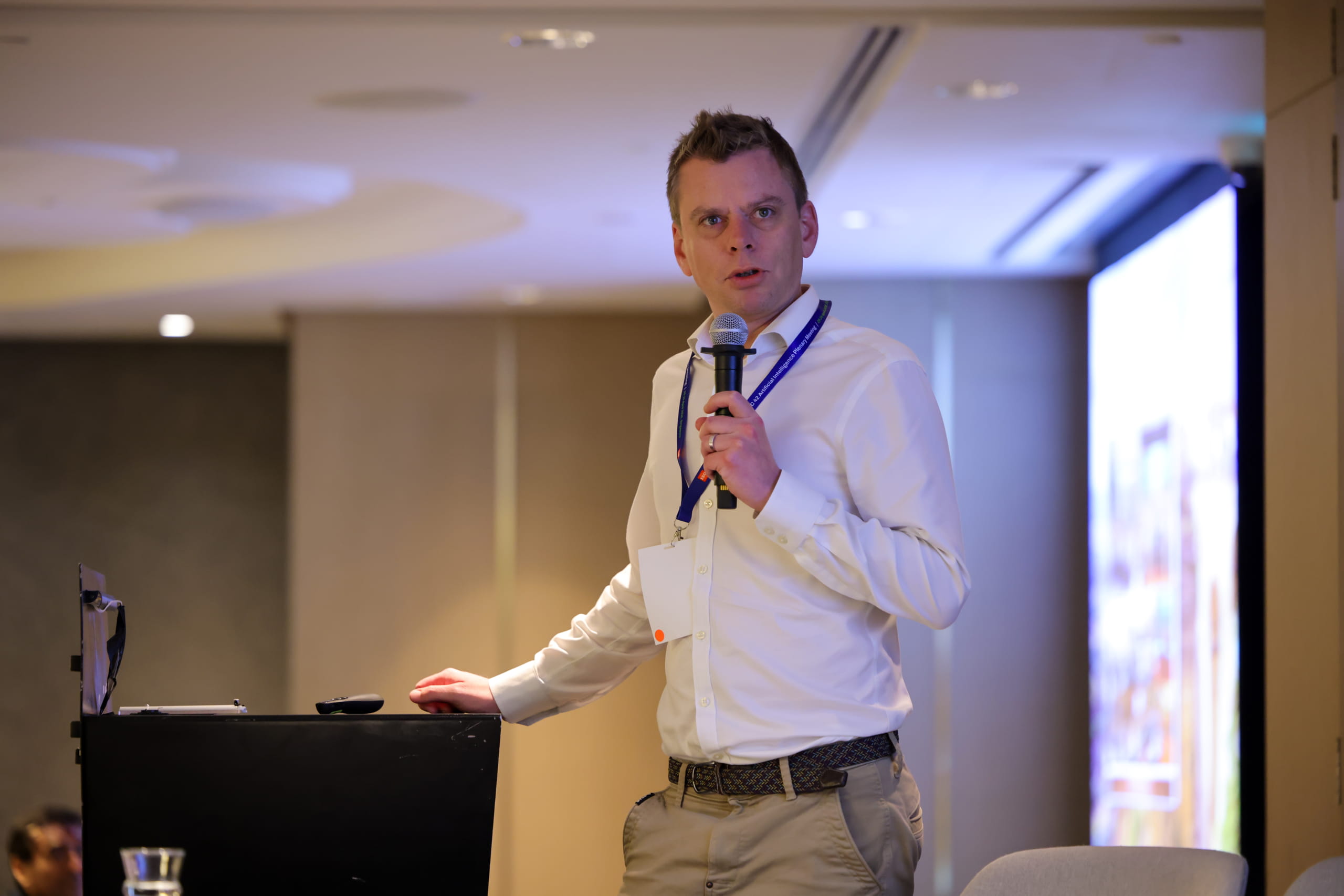
The session opened with keynote presentations from Wael William Diab (Chair of Joint ISO and IEC Committee on AI) , David Filip (ISO/IEC JTC 1/SC 42/WG 3 Convenor and Senior Director of Standards and Industry Development, Huawei Ireland Research Center), and Dr Adam Smith (ISO/IEC SC 42 JWG 2 Convenor & AIQI Consortium), who shared perspectives on the development of international AI standards and the role of assurance frameworks in supporting trustworthy AI systems.
The keynotes highlighted ongoing work within international standards bodies, including developments relating to AI trustworthiness, testing methodologies, transparency, and governance. Speakers also explored the importance of aligning standards development with emerging technical capabilities and real-world deployment challenges.
Opportunities and gaps in AI standards
The first panel discussion, “Opportunities and Gaps in AI Standards,” brought together international perspectives from industry, policy, and research.
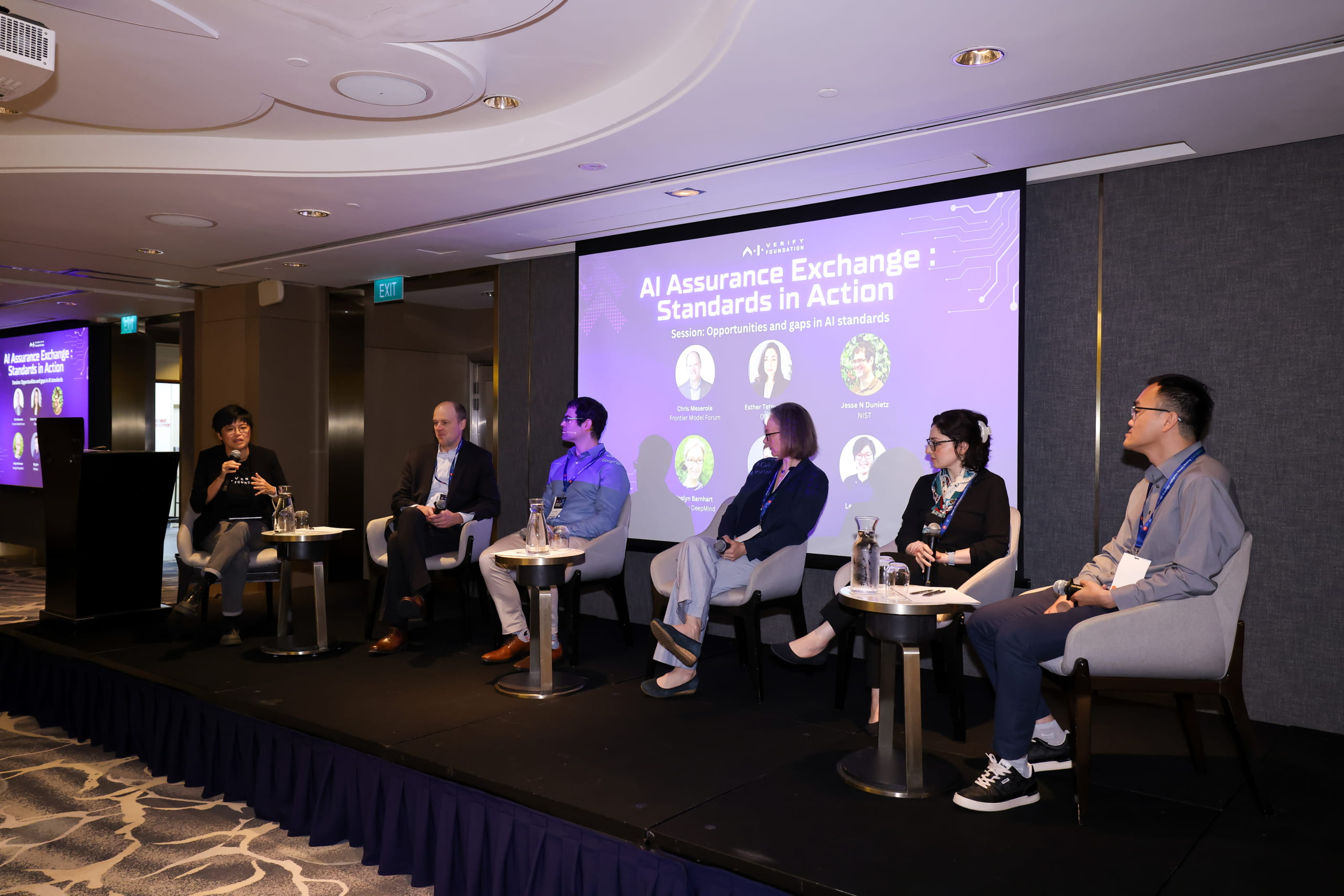
Panellists included Chris Meserole (Frontier Model Forum), Esther Tetruashvily (OpenAI), Jesse Dunietz (NIST), Joslyn Barnhart (Google DeepMind), Qing An (Alibaba), and Lee Wan Sie (IMDA, moderator).
The discussion explored where existing AI standards are already delivering value, as well as areas where gaps remain. Speakers discussed the importance of pre-standardisation efforts, cross-sector collaboration, and testing initiatives that can inform future standards development.
A recurring theme throughout the session was the need for assurance approaches that can keep pace with rapidly evolving AI systems while remaining practical for implementation across different industries and deployment contexts.
Standards for the region
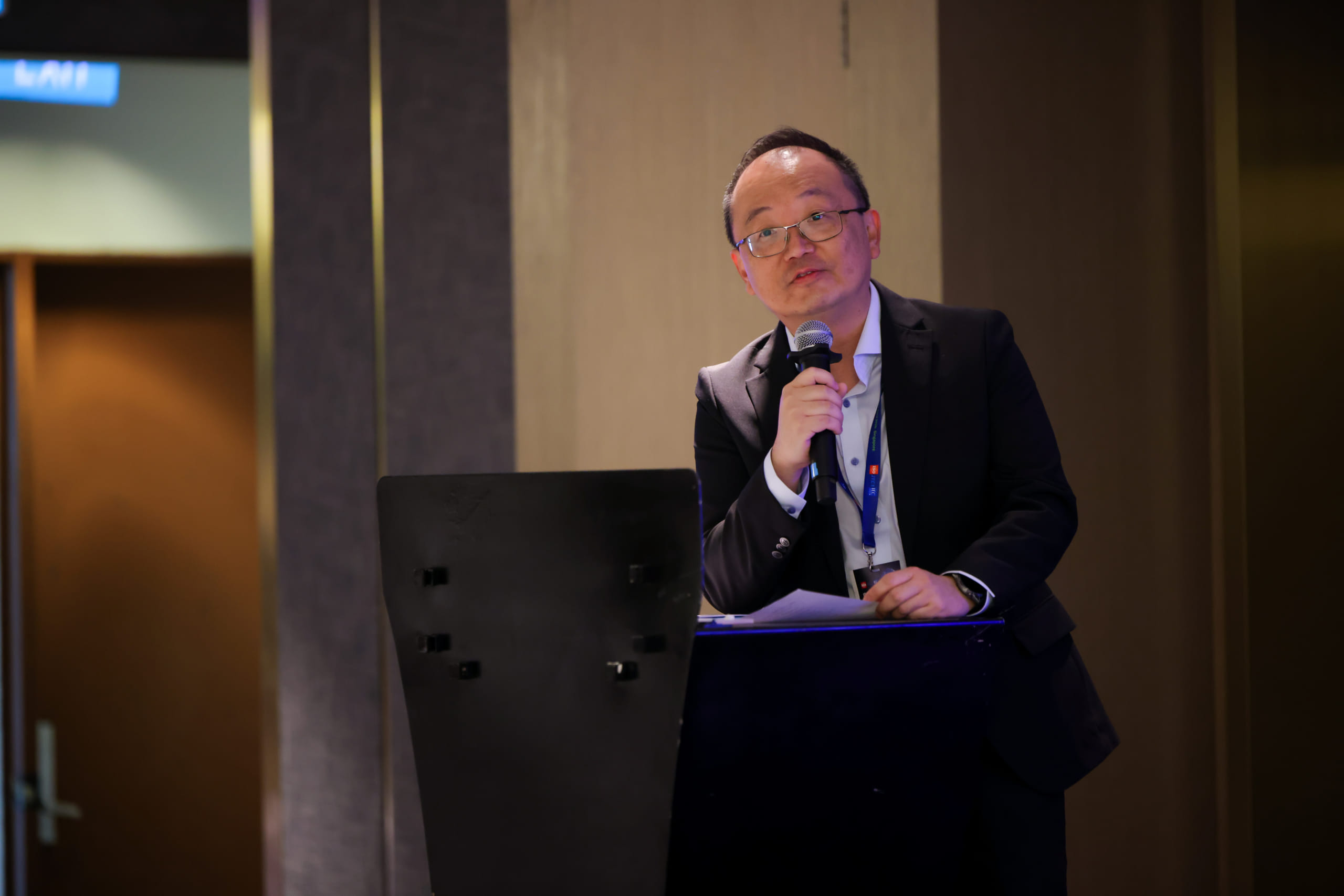
The event also featured a keynote on Singapore’s approach to AI governance and standards by Woon Hau Chin (IMDA), highlighting Singapore’s efforts to support trusted AI adoption through governance frameworks, standards engagement, and ecosystem collaboration.
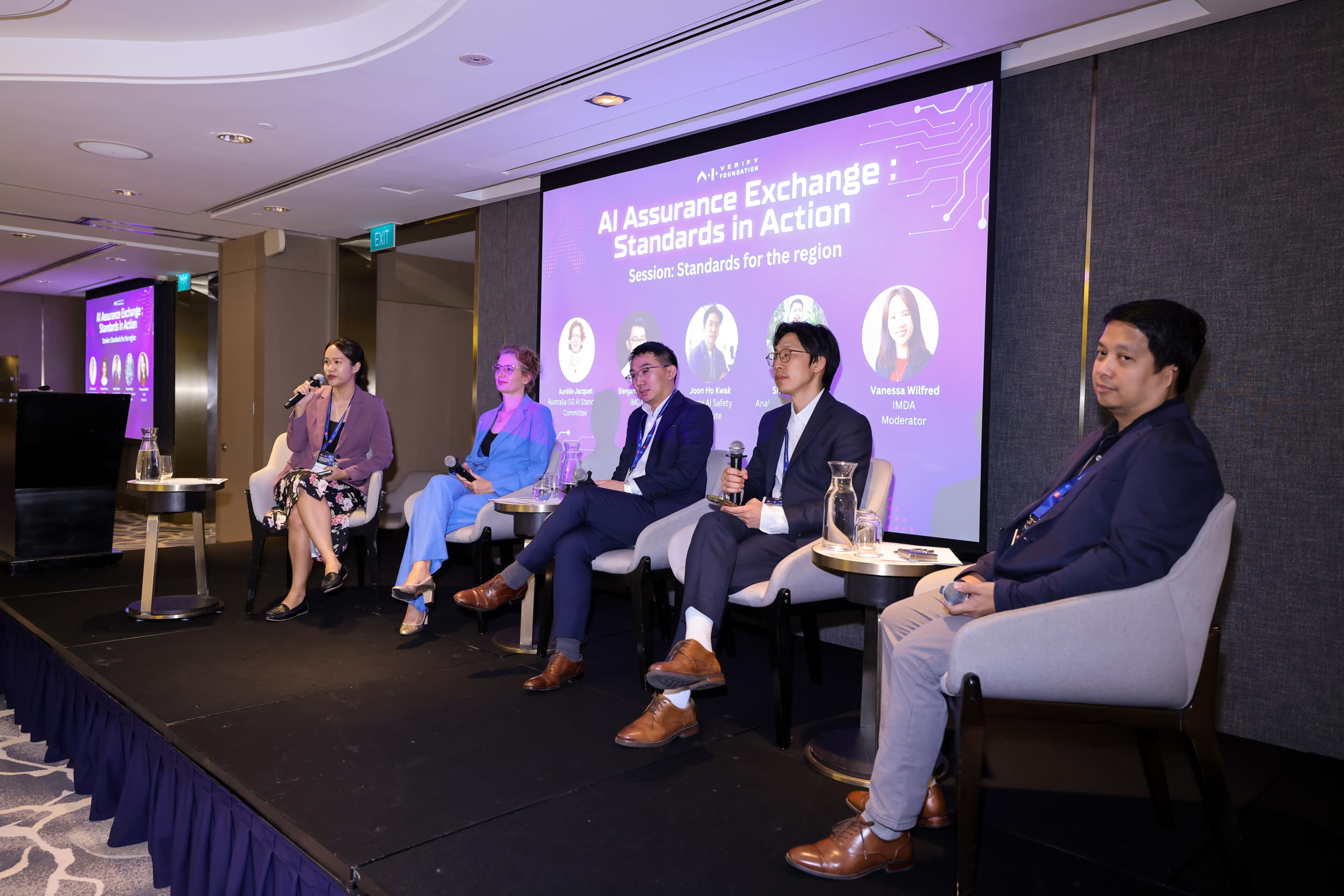
This was followed by the “Standards for the Region” panel featuring Aurélie Jacquet (Australia ISO AI Standards Committee), Benjamin Chua (IMDA), Joon Ho Kwak (Korea AI Safety Institute), Sherwin Pelayo (Analytics & AI Association of Philippines), and moderated by Vanessa Wilfred (IMDA).
The session examined regional developments in AI governance, including emerging working groups, benchmarking initiatives, and regional red teaming efforts. Speakers discussed how standards can support greater harmonisation across markets, enable cross-border AI deployment, and strengthen trusted AI adoption throughout the region.
Translating AI Standards into practice
The final panel, “Translating AI Standards into Practice,” focused on how organisations are operationalising AI assurance in real-world settings.
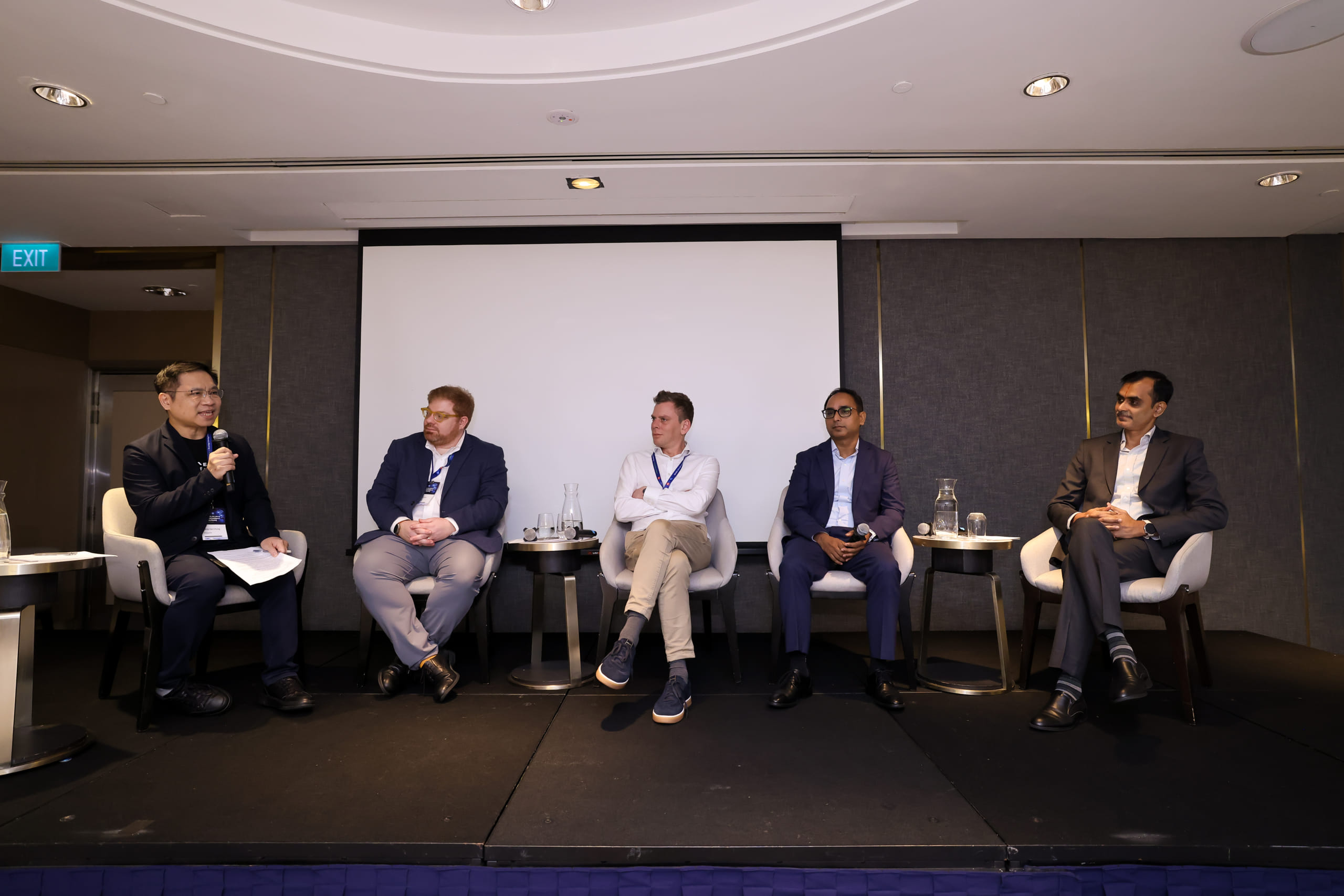
The panel brought together perspectives from AI deployers, testers, and assurance ecosystem stakeholders, featuring Dr Adam Smith (AIQI Consortium), Dr Andrew Gruen (MLCommons), Anup Kumar (IBM), Srinath Sridharan (Changi General Hospital), and moderated by Chung Sang Hao (IMDA).
Discussions covered practical approaches to implementing AI testing and assurance processes, including lessons and insights emerging from the ongoing Global AI Assurance Sandbox. Panellists shared perspectives on balancing technical rigor with operational feasibility, and the importance of collaboration between deployers, testers, standards bodies, and policymakers.
Advancing the AI assurance ecosystem
Across the sessions, the event underscored the growing importance of building trusted AI systems through testing, transparency, and internationally aligned standards.
As AI systems become increasingly integrated into business and public sector operations, the conversations highlighted the need for practical assurance mechanisms that can support accountability, interoperability, and responsible deployment at scale.