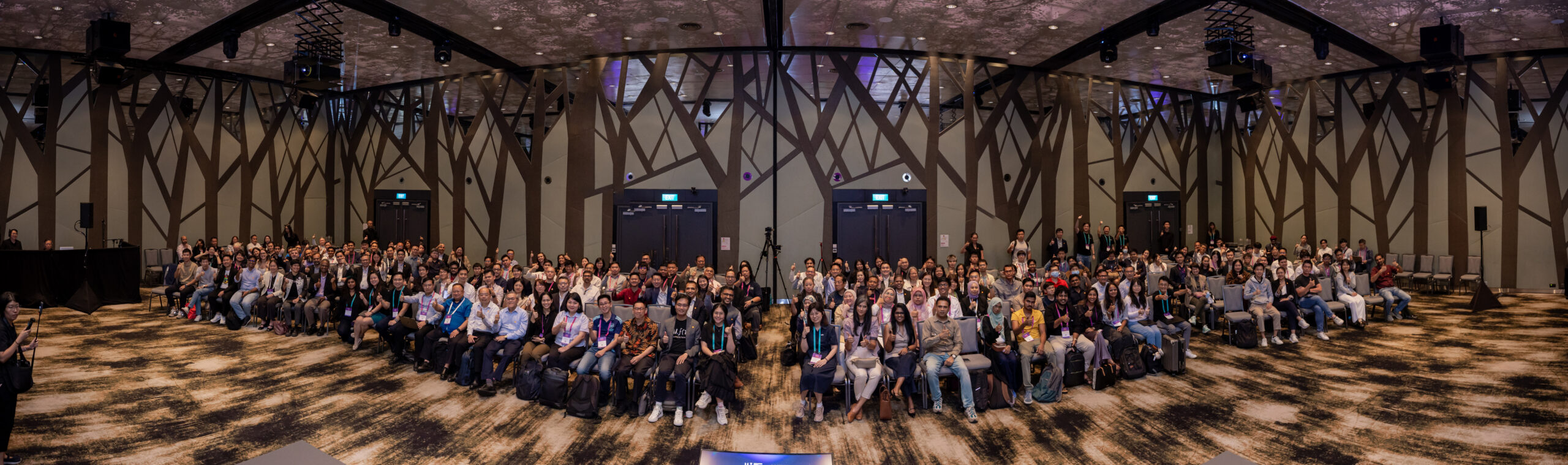
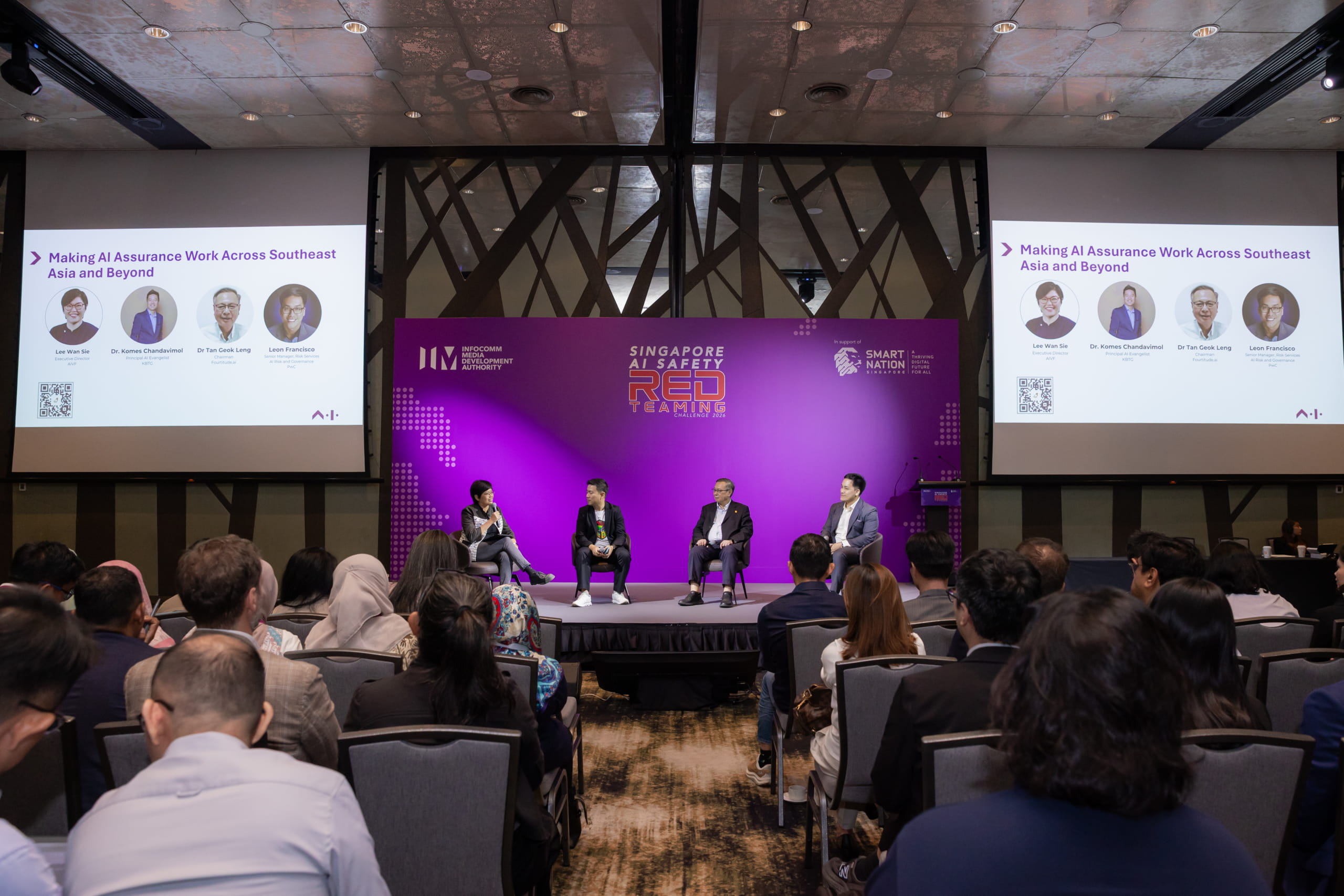
In our first community event of the year, the AI Verify Foundation brought together 220 deployers, 3rd-party testers, policymakers, and researchers to bridge the gap between AI potential and AI reliability.
This session was part of the week-long AI Assurance Base Camp organised by IMDA, held alongside Singapore’s AI Research Week and the AAAI conference.
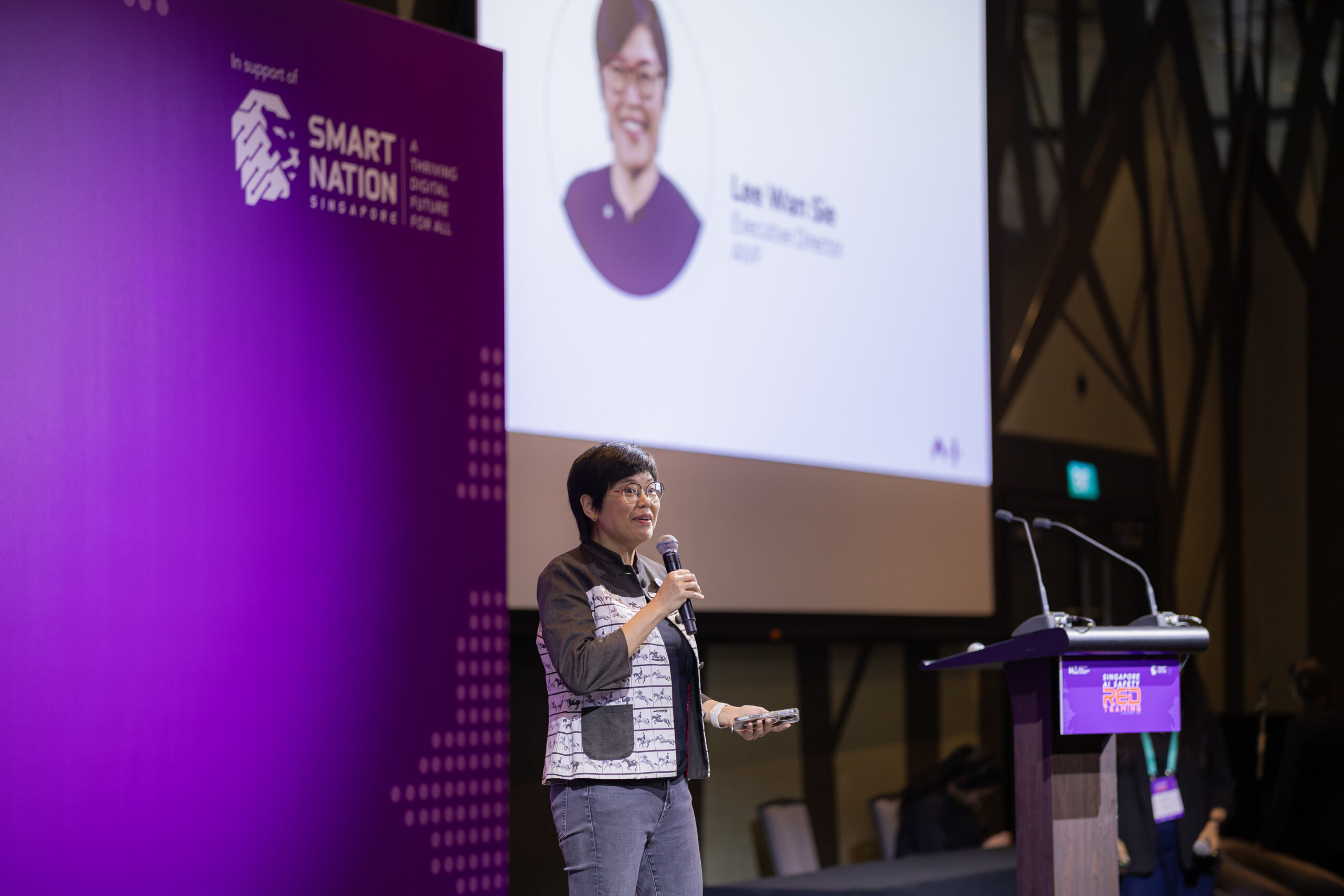
In her opening remarks, Lee Wan Sie (Executive Director of AI Verify Foundation) emphasised the unique needs of Southeast Asia. To be effective, AI applications must be tested and validated in context – accounting for our region’s rich diversity of languages, cultures, and use cases.
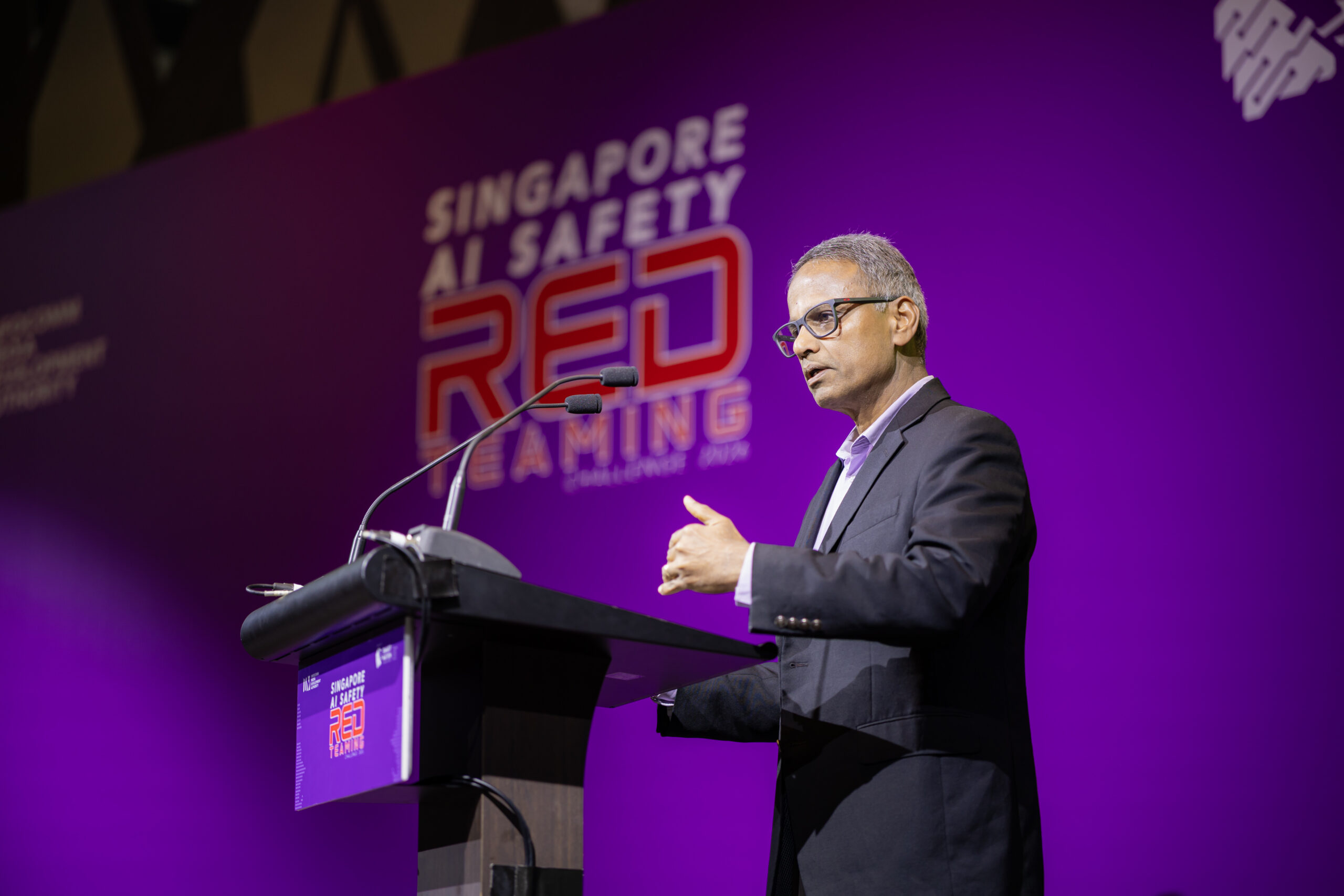
Professor Ramayya Krishnan from Carnegie Mellon University opened with his keynote on “Operationalising AI: From Capabilities to Deployment.” He mentioned 3 considerations: the need for dynamic evaluation of AI models, for framework to guide AI integration into workflows, and for methodology that take costs and benefits of users, firms, and the regulator into account.
Are you deploying Agentic AI? Interested in testing your application or shaping policies for Agentic AI? Come join our Global AI Assurance Sandbox, a global initiative by IMDA and AI Verify Foundation to test your applications by specialist testers.
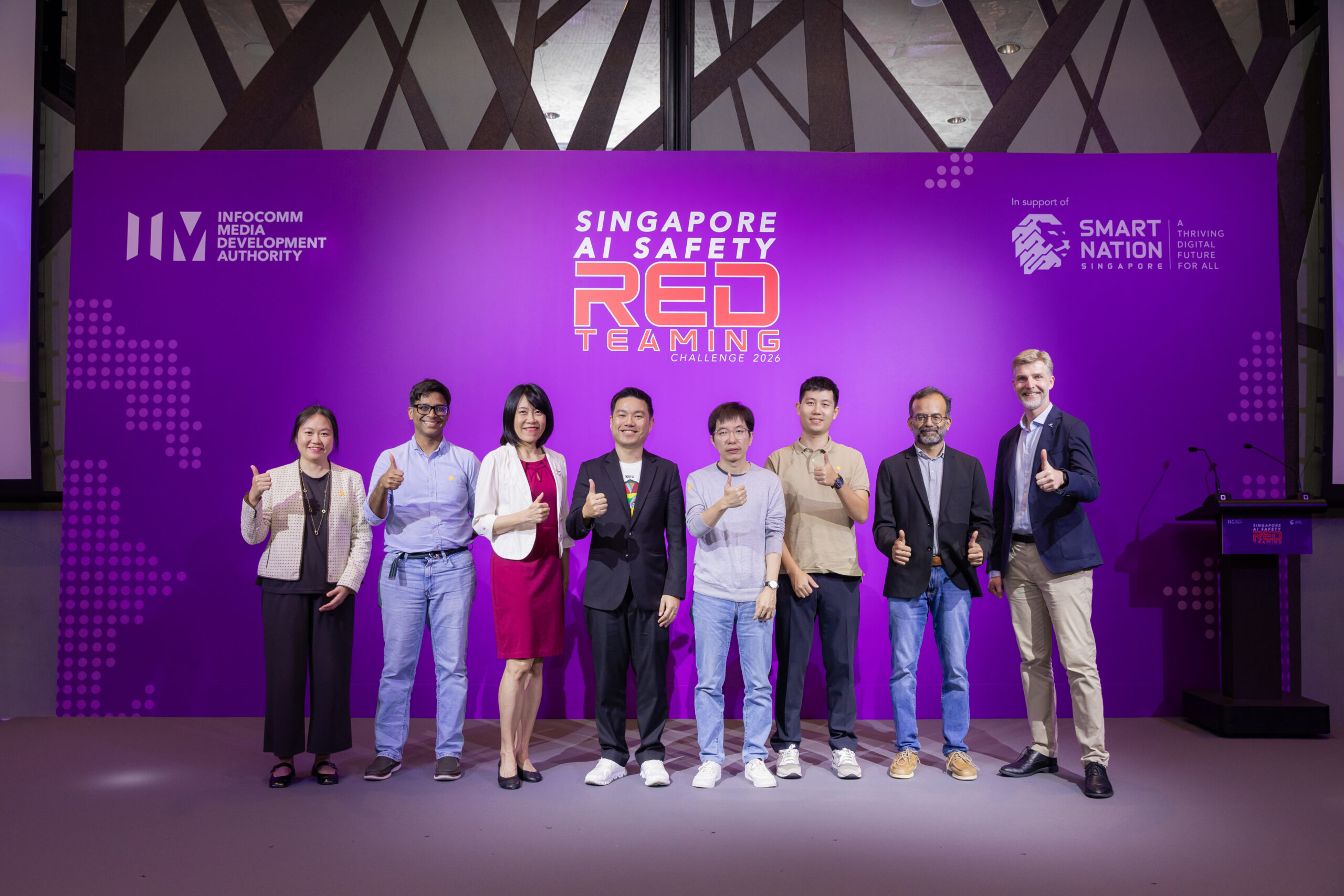
Our panel speakers from AI Verify Foundation, fourtitude.ai, KBTG, and PwC took the stage to explore how testing and assurance can be made practical, scalable, and meaningful across multilingual, multicultural contexts, and diverse regulatory environments in Southeast Asia and beyond.
We look forward to hosting more of such events in 2026 and we invite you to continue joining us as we shape assurance and testing approaches that are pragmatic, inclusive and grounded in real-world use.
Thank you for completing the form. Your submission was successful.
Preview all the questions
1
Your organisation’s background – Could you briefly share your organisation’s background (e.g. sector, goods/services offered, customers), AI solution(s) that has/have been developed/used/deployed in your organisation, and what it is used for (e.g. product recommendation, improving operation efficiency)?
2
Your AI Verify use case – Could you share the AI model and use case that was tested with AI Verify? Which version of AI Verify did you use?
3
Your reasons for using AI Verify – Why did your organisation decide to use AI Verify?
4
Your experience with AI Verify – Could you share your journey in using AI Verify? For example, preparation work for the testing, any challenges faced, and how were they overcome? How did you find the testing process? Did it take long to complete the testing?
5
Your key learnings and insights – Could you share key learnings and insights from the testing process? For example, 2 to 3 key learnings from the testing process? Any actions you have taken after using AI Verify?
6
Your thoughts on trustworthy AI – Why is demonstrating trustworthy AI important to your organisation and to any other organisations using AI systems? Would you recommend AI Verify? How does AI Verify help you demonstrate trustworthy AI?
Enter your name and email address below to download the Discussion Paper by Aicadium and IMDA.
Disclaimer: By proceeding, you agree that your information will be shared with the authors of the Discussion Paper.